
Sea Transportation in Dubai and the UAE A Comprehensive Guide
Sea transportation is a vital component of global trade, and Dubai, along with the wider United Arab Emirates (UAE), plays a pivotal role in this industry. With its strategic location, world-class infrastructure, and state-of-the-art ports, Dubai has become a global hub for maritime logistics. This article delves into the intricacies of sea transportation in Dubai and the UAE, exploring its ports, customs procedures, and the benefits it offers to businesses worldwide.
Introduction to Sea Transportation in Dubai and the UAE
Sea transportation, also known as maritime transport, is the movement of goods and passengers via waterways. It is one of the most cost-effective and efficient methods of transporting large volumes of cargo over long distances. Dubai, situated at the crossroads of Europe, Asia, and Africa, has leveraged its geographic advantage to become a leading player in the global shipping industry.
The UAE, and Dubai in particular, is home to some of the busiest and most advanced ports in the world. These ports facilitate the seamless movement of goods, connecting the East and the West. Whether you are importing or exporting, understanding the sea transportation landscape in Dubai is crucial for optimizing your supply chain.
Key Ports in Dubai and the UAE
1. Port of Jebel Ali
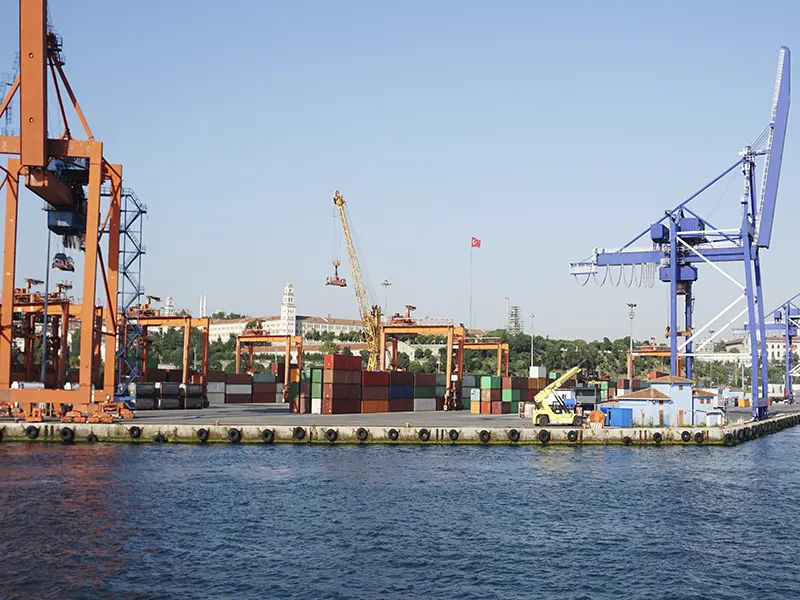
The Port of Jebel Ali is the largest man-made harbor in the world and the biggest port in the Middle East. Operated by DP World, it handles millions of containers annually and offers state-of-the-art facilities, including:
- Deep-water berths capable of accommodating the largest vessels.
- Advanced cargo-handling equipment.
- Free zone facilities for businesses.
2. Port Rashid
Located in the heart of Dubai, Port Rashid is a historic port that has been transformed into a modern cruise terminal. While it primarily serves passenger ships, it also handles some cargo operations.
3. Khalifa Port
Situated in Abu Dhabi, Khalifa Port is another major maritime hub in the UAE. It features:
- Automated container terminals.
- Direct access to the Khalifa Industrial Zone (KIZAD).
- Excellent connectivity to global markets.
4. Fujairah Port
Fujairah Port, located on the UAE’s east coast, is a key hub for oil and gas shipments. It is strategically positioned outside the Strait of Hormuz, making it a preferred choice for energy exports.
Advantages of Sea Transportation in Dubai
1. Strategic Location
Dubai’s location between Europe, Asia, and Africa makes it an ideal transshipment hub. Goods can easily be transported to and from major global markets.
2. World-Class Infrastructure
The UAE’s ports are equipped with cutting-edge technology and infrastructure, ensuring efficient cargo handling and minimal delays.
3. Cost-Effectiveness
Sea transportation is significantly cheaper than air freight, especially for bulky or non-perishable goods.
4. Free Zones
Dubai’s free zones, such as Jebel Ali Free Zone (JAFZA), offer businesses tax exemptions, 100% foreign ownership, and streamlined customs procedures.
5. Connectivity
Dubai’s ports are well-connected to road, rail, and air networks, enabling seamless multimodal transportation.
Customs Procedures for Sea Freight in Dubai

Customs clearance is a critical aspect of sea transportation. Dubai Customs has implemented advanced systems to streamline the process, including:
- Mirsal 2: An electronic platform for submitting customs declarations.
- Risk Engine: A system that assesses the risk level of shipments, allowing for faster clearance of low-risk goods.
- Green Channel: For trusted traders with a history of compliance, enabling expedited clearance.
Key Documents Required:
- Bill of Lading (BoL)
- Commercial Invoice
- Packing List
- Certificate of Origin
- Customs Declaration Form
Types of Sea Freight Services in Dubai
1. Full Container Load (FCL)
FCL is ideal for businesses shipping large volumes of goods. The entire container is reserved for one shipment, ensuring security and faster transit times.
2. Less Than Container Load (LCL)
LCL is suitable for smaller shipments. Multiple consignments are consolidated into a single container, reducing costs for individual shippers.
3. Roll-On/Roll-Off (RoRo)
RoRo services are used for transporting vehicles and heavy machinery. Vehicles are driven onto the vessel and secured for transit.
4. Breakbulk Shipping
Breakbulk shipping is used for oversized or irregularly shaped cargo that cannot be containerized.
Challenges in Sea Transportation
While sea transportation offers numerous benefits, it also comes with challenges:
- Transit Times: Sea freight is slower than air freight, which may not be suitable for time-sensitive shipments.
- Weather Conditions: Adverse weather can cause delays.
- Customs Delays: Incorrect documentation or non-compliance with regulations can lead to delays.
Future Trends in Sea Transportation
1. Digitalization
The adoption of blockchain, IoT, and AI is transforming the maritime industry, enhancing transparency and efficiency.
2. Sustainability
The UAE is investing in green ports and eco-friendly vessels to reduce the environmental impact of sea transportation.
3. Expansion of Ports
Dubai and the UAE continue to expand their port facilities to accommodate growing trade volumes.
Why Choose Dubai for Sea Transportation?
Dubai’s commitment to innovation, efficiency, and customer satisfaction makes it a preferred choice for sea transportation. Whether you are a small business or a multinational corporation, Dubai’s ports and logistics infrastructure can help you achieve your supply chain goals.
Conclusion
Sea transportation is the backbone of global trade, and Dubai, with its world-class ports and strategic location, is at the forefront of this industry. By leveraging the UAE’s advanced infrastructure, streamlined customs procedures, and business-friendly policies, companies can optimize their logistics operations and gain a competitive edge in the global market.